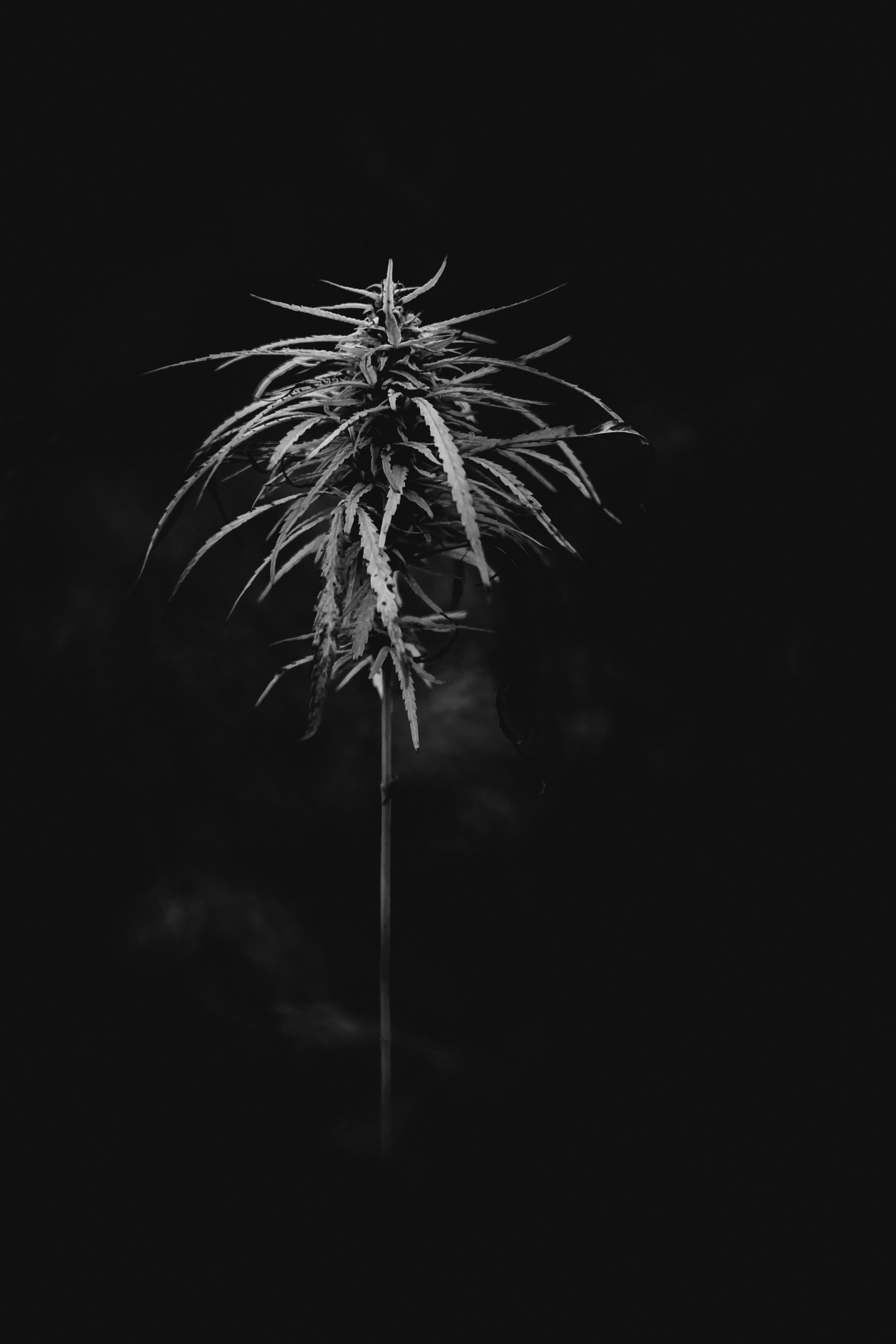
A hemp dispensary near Davidson College could close or convert to an art studio if a federal ban on hemp-derived THC products takes effect Dec. 11.
Maui Boyz, a 21-and-older shop near the college, sells THC gummies, drinks and other products legally classified as hemp under current federal law. Budtender Benjamin Ferguson told The Davidsonian in an Oct. 7 report that the shop operates within the existing legal framework and serves customers "purchasing for a variety of different reasons."
The ban traces to Sen. Mitch McConnell, the Kentucky Republican who championed hemp legalization in the 2018 Farm Bill. That law defined hemp as containing less than 0.3% delta-9 THC by dry weight, a threshold that allowed beverages and edibles to carry enough THC to produce intoxicating effects. McConnell later reversed course, inserting a hemp THC ban into a government-funding measure that ended the longest government shutdown in U.S. history, according to PBS NewsHour. The restriction caps THC at 0.4 milligrams per container.
For dispensaries, that cap is devastating. A single 5-milligram gummy carries more than 12 times the limit, according to Medical Daily.
The ban was originally set to take effect Nov. 12 but was pushed to Dec. 11 after President Donald Trump signed a short-term funding bill on Sept. 2. The White House has said this 30-day extension is the last it will support, according to Medical Daily.
The stakes extend well beyond Davidson. A September report from Whitney Economics estimated the federal ban could cut $28.3 billion in retail revenue nationwide, displace 225,000 jobs and reduce state sales tax collections by $2.1 billion. Beau Whitney, the firm's founder and chief economist, said in a Sept. 9 press release that "strict and unrealistic regulations passed this year threaten to effectively put three-quarters of its operators out of business," as reported by Cannabis Business Times.
Ferguson told The Davidsonian the ban would ripple across the supply chain, from farmers and family-owned farms to manufacturers, distributors and retailers. All of those people, he said, "could be potentially left without a clear path forward, no access to medicine, and potential unemployment."
If the ban holds, Maui Boyz plans to convert into an art studio to stay open, according to The Davidsonian.
North Carolina lawmakers have weighed their own restrictions. The state Senate passed House Bill 328 in July, which would have imposed the same 0.4-milligram cap on finished hemp products. House Speaker Destin Hall confirmed in August that the House tabled the bill until after the November elections, according to Hoodline. The state's Advisory Council on Cannabis must deliver final policy recommendations to Gov. Josh Stein by Dec. 31. Any changes would still require General Assembly approval.
Dec. 11 is also the date current federal government funding expires, setting up a final push in Congress on whether to regulate hemp products rather than ban them outright.