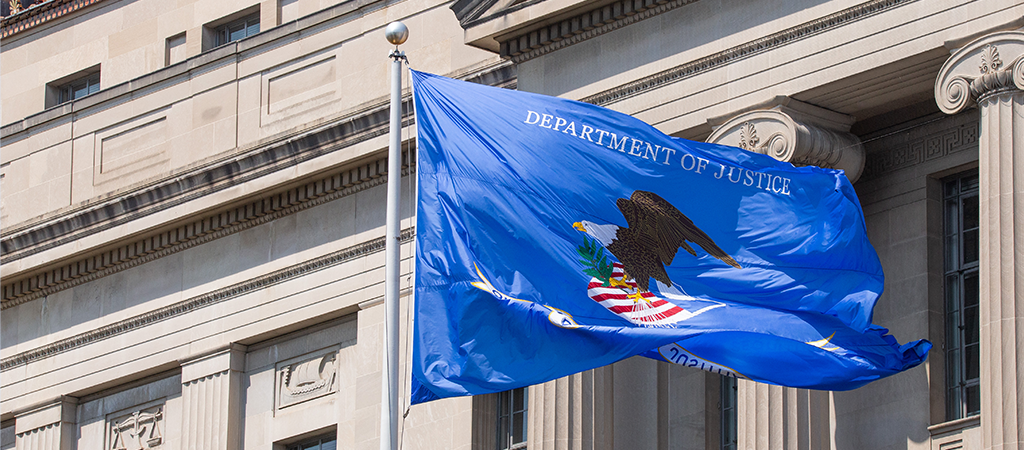
Mecklenburg County was assigned two federal election monitors for Tuesday, Nov. 3, according to North Carolina's top elections official, as the U.S. Department of Justice carries out what it describes as its largest monitoring effort.
State Board of Elections Executive Director Sam Hayes said at a Tuesday morning briefing that Mecklenburg, Wake and Alamance counties were each assigned two monitors, according to WFDD reporting carried by WFAE. He said their presence was routine and should not be taken as evidence of election problems or improper influence.
The deployment is relevant to Mecklenburg voters in Cornelius, Davidson and Huntersville, but the reports do not identify particular polling sites in those towns as monitor destinations.
Updated local headcount
The Election Day account differs from a Nov. 2 Queen City News report that put Mecklenburg's assignment at about six monitors. Hayes gave the smaller figure on Election Day. The reports do not explain the difference.
Mecklenburg County Board of Elections Director Michael Dickerson told Queen City News ahead of the election that he did not know which sites monitors would visit. He said they had come to Mecklenburg for every federal election since 2018, checking accessibility and whether people could vote without problems.
What monitors can do
DOJ staff monitors generally remain outside North Carolina polling places while voting is underway, according to a Campaign Legal Center factsheet. Their program is separate from the Office of Personnel Management's federal observer program and from congressional observers, which have different access rules.
State Board guidance says outside monitors must remain beyond the marked buffer zone, typically 50 feet from the entrance. They may not disrupt voting, intimidate voters or impede access.
Voters can decline monitors' questions. DOJ staff monitors may not direct election officials, interfere with a person's ability to cast a ballot or try to influence a voter's choices, according to the Campaign Legal Center.
Nationwide deployment and scrutiny
The DOJ's Tuesday announcement said approximately 1,000 monitors and observers were being deployed across all 50 states for the first time. The department described it as its largest monitoring operation.
The Civil Rights Division coordinates the effort, with personnel from the division, other DOJ components and U.S. Attorney's Offices, plus federal observers from the Office of Personnel Management. The department says the work assesses compliance with federal voting rights laws, including protections against discrimination and intimidation and requirements for disability access.
Democracy Docket reported that deployments were concentrated in Democratic strongholds and minority communities. The outlet's national analysis also cited Hayes's statement that each of the three North Carolina counties had two monitors.
How voters can report problems
Joselle Torres of the nonpartisan voting rights group Democracy NC told Queen City News that voters should report coercion of voters or poll workers immediately to the precinct's chief judge, the lead election official at the site.
As WFMY News 2 reported, the DOJ directs voters to report polling-place disruptions to local election officials and violence or threats immediately to local law enforcement by calling 911.
Questions or complaints about federal voting rights can be directed to the DOJ at 1-800-253-3931, by email at [email protected] or through its civil rights complaint form.