A federal lawsuit challenges a North Carolina rule that could invalidate absentee ballots if voters forget to seal one of two required envelopes.
Three nonprofit groups and two individual voters filed the suit Sept. 22 in the U.S. District Court for the Middle District of North Carolina, Carolina Public Press reported. It is the first election lawsuit of the 2026 cycle in the state.
The plaintiffs are the NC Alliance for Retired Americans, North Carolina Asian Americans Together, Down Home North Carolina, and voters Vaeme Afokpa and Raquel Nelson. They named the North Carolina State Board of Elections and the Durham and Guilford county election boards as defendants.
What the rule requires
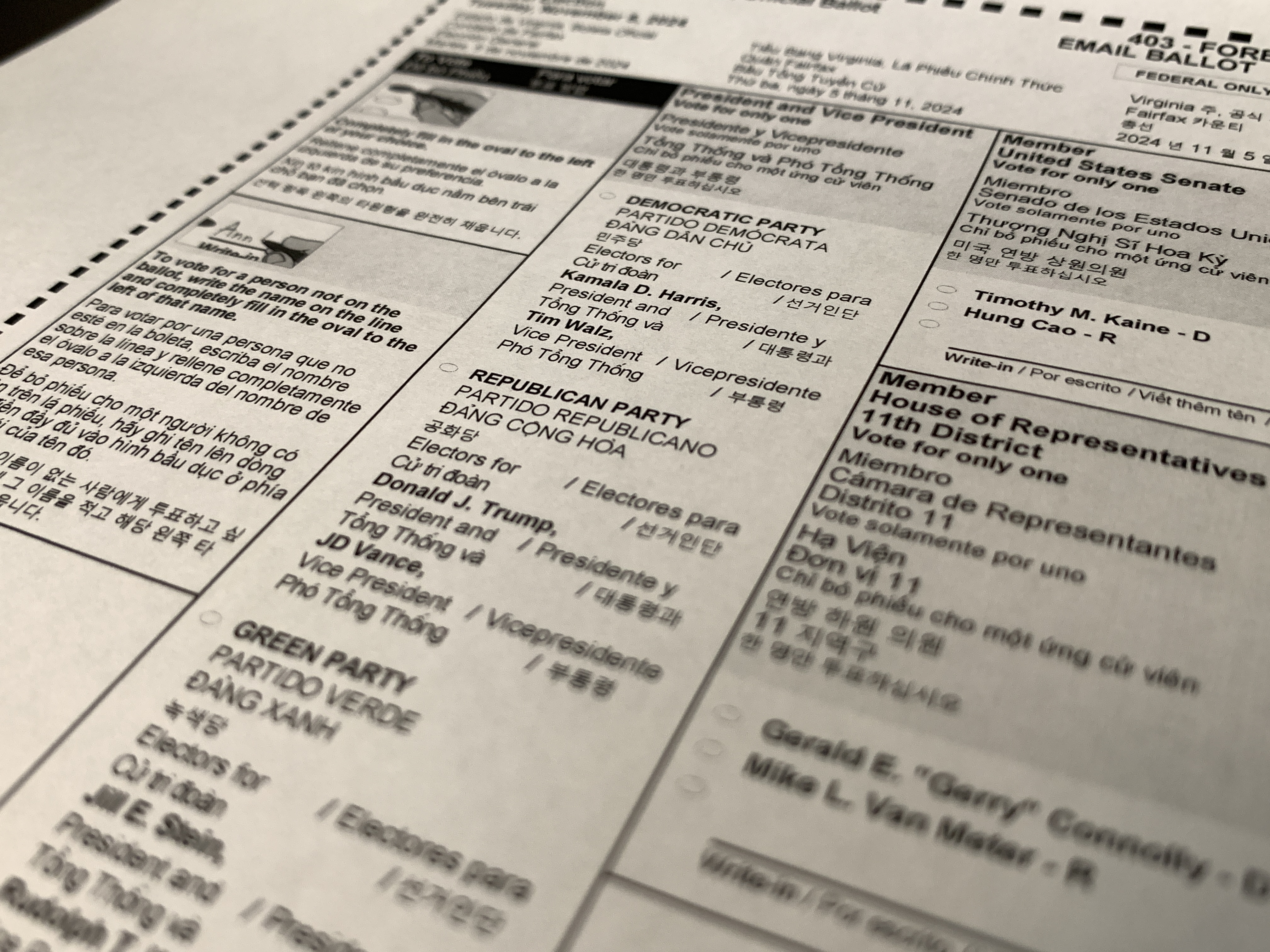
North Carolina's absentee ballot system uses two envelopes. Voters place their completed ballot inside an inner "container-return" envelope, seal it, attach a photocopy of their photo ID to the outside sleeve, then put everything inside an outer return envelope.
The inner seal is now mandatory.
On Sept. 4, the State Board of Elections voted 3-2 along party lines to require county boards to spoil any absentee ballot whose inner envelope arrives unsealed. Three Republicans voted in favor and two Democrats opposed. That was the same day North Carolina became the first state to begin mailing absentee ballots for the 2026 general election, according to Carolina Public Press.
Previously, under a Democratic-majority board, ballots were counted even if the inner envelope was unsealed, as long as the outer envelope was sealed.
What the lawsuit argues
The complaint alleges the new policy violates the U.S. Constitution and the Materiality Provision of the Civil Rights Act of 1964. The plaintiffs argue the rule rejects ballots for minor, technical errors unrelated to a voter's eligibility, according to the complaint as reported by WFAE.
The lawsuit also challenges new signature verification guidelines, arguing the board removed a previous prohibition on comparing voters' signatures with other signatures on file.
More than 81,000 North Carolina voters had already requested absentee ballots when the suit was filed, according to the complaint as reported by QC News. The plaintiffs contend many voters whose ballots are spoiled will not have enough time to receive a replacement or get to the polls in person.
Republican board member Stacy "Four" Eggers defended the guidance at the Sept. 4 board meeting, saying the change affects how county staff process ballots, not the voter's experience filling one out, as reported by WFAE.
Gov. Josh Stein said the board's vote disrespected voters who had publicly opposed the changes, calling it "a blatant circumvention of the law" in a post on X on Sept. 4, as reported by WBTV.
State Board spokesperson Jason Tyson told Carolina Public Press the board does not comment on ongoing litigation. The board had not filed a response in court as of Sept. 23.
What Lake Norman voters should know
Mecklenburg County residents in Cornelius, Davidson and Huntersville who plan to vote absentee should note these deadlines:
- Request deadline: 5 p.m. Tuesday, Oct. 20
- Early in-person voting: Oct. 15–31
- Election Day: Tuesday, Nov. 3. Completed ballots must arrive at the county board of elections by 7:30 p.m.
Returning a ballot by mail costs $1.98, or three Forever stamps. Voters may also drop off ballots in person at any early voting site during the early voting period or at the county board of elections office.
State Board Executive Director Sam Hayes advised voters at a Sept. 3 press conference to submit ballots early. "There is no grace period. Those ballots are due by close of the polls on election night, 7:30 p.m. Don't take any chances," Hayes said, as reported by Carolina Public Press.
Voters can track their ballot through the state's BallotTrax system on the North Carolina State Board of Elections website.
No court hearing date has been scheduled. Carolina Public Press noted the federal Purcell principle generally discourages courts from changing election rules close to an election, making a pre-November ruling uncertain.