Two adults from central North Carolina have died after contracting West Nile virus, the North Carolina Department of Health and Human Services (NCDHHS) announced Friday, Oct. 9.
The state did not release the specific counties where the deaths occurred. But Mecklenburg County has been at the center of the virus's spread in 2026, with infected mosquitoes detected in the county as early as July and a blood donor testing positive through routine screening.
The deaths follow the state's first confirmed human case of 2026, reported Aug. 5 in a Gaston County resident.
Mecklenburg mosquitoes tested positive in July
The NC State Laboratory of Public Health tested a pool of mosquitoes collected in Mecklenburg County on July 14 and confirmed West Nile virus, as WBTV reported. Mecklenburg County Public Health Spokesperson Myles Bell said the infected mosquitoes were found in "central" Mecklenburg, according to the Charlotte Observer.
NCDHHS also identified West Nile virus in mosquitoes collected in Cabarrus and Forsyth counties in July. The detections came earlier in the summer than historically reported, the department said in an Aug. 5 press release, as WLOS reported.
Risk factors and symptoms
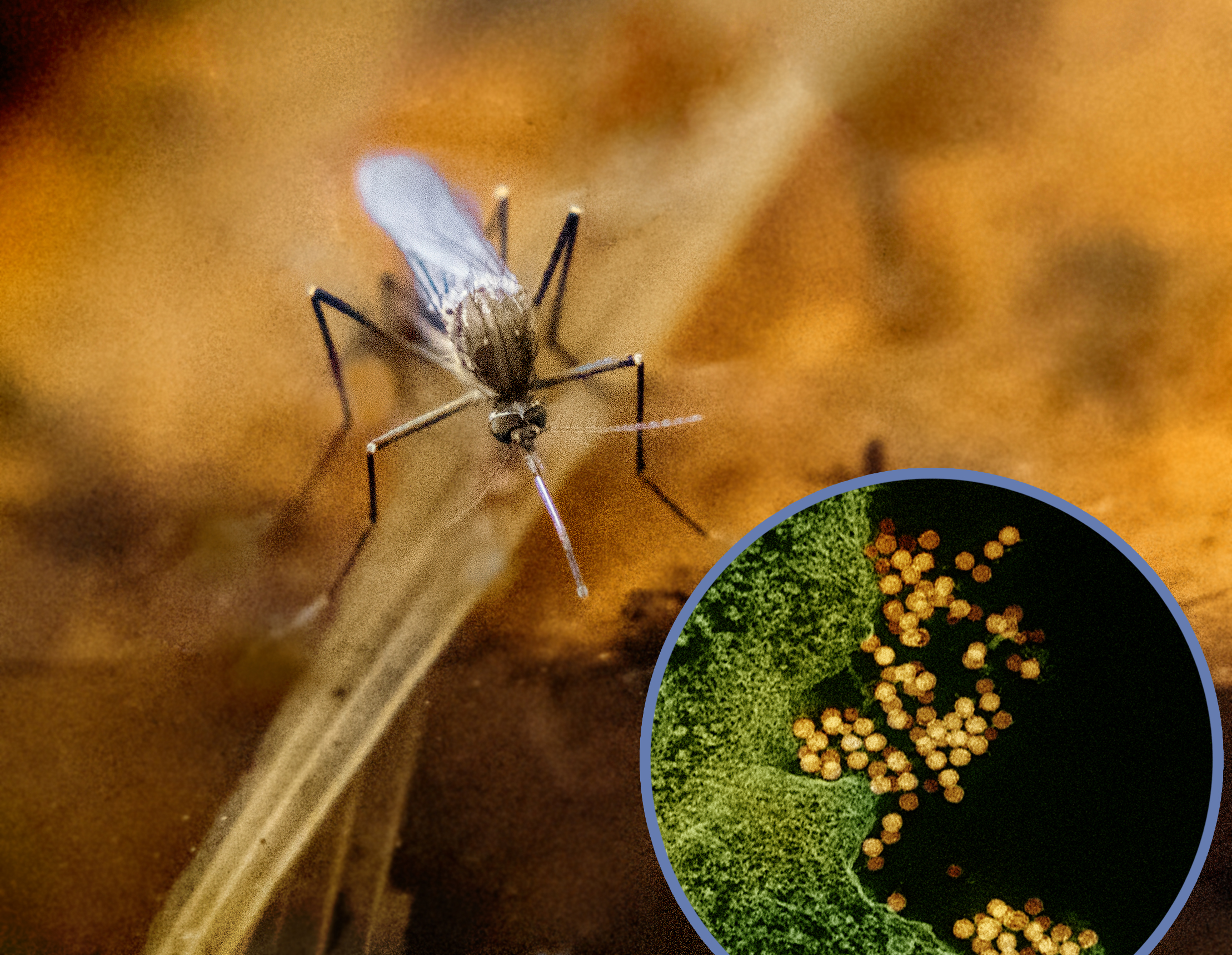
West Nile virus spreads through the bite of an infected mosquito. It does not spread from person to person.
Most people who contract the virus show no symptoms. About one in five develop fever, headache, body aches and joint pain, according to NCDHHS. About one in 150 develop serious neurological illness with symptoms including high fever, neck stiffness, disorientation, seizures and paralysis.
Older adults and people with underlying health conditions face the highest risk of severe outcomes and death, the department stated Oct. 9. No vaccine or specific treatment exists for the virus.
Symptoms typically begin two to six days after a bite, though they can appear as late as two weeks afterward, according to the CDC.
How to protect yourself
NCDHHS said the mosquitoes that most commonly carry West Nile virus are found statewide and are most active between dusk and dawn. Mosquito season in North Carolina runs from June through October, with most infections occurring in late August through early September, according to the CDC.
The department recommends these steps:
- Apply EPA-registered mosquito repellent such as DEET, especially after sunset
- Wear long sleeves and long pants outdoors
- Limit outdoor activity between dusk and dawn
- Use window and door screens
- Dump standing water from flowerpot saucers, toys, buckets and tires after rainfall
- Change water in birdbaths and pet bowls regularly
- Keep gutters clean
Anyone who suspects they may be infected should contact their health care provider, NCDHHS said. Mecklenburg County Environmental Health Services can be reached at 980-314-1620.