Walmart CEO John Furner told customers the company will not use their personal data to charge them higher prices, even as rising costs force occasional price increases on store shelves.
"We price the product, not the person," Furner stated in an online letter published Sept. 25.
Furner laid out three commitments. Walmart does not set different prices based on who a shopper is or the time of day. Information shared with its AI shopping assistant, Sparky, will not be used to raise prices or hide lower-cost options. And the company said it will continue to let customers decide what personal details to share.
"Your income, shopping history, urgency or what we think you could pay won't change the price," Furner wrote.
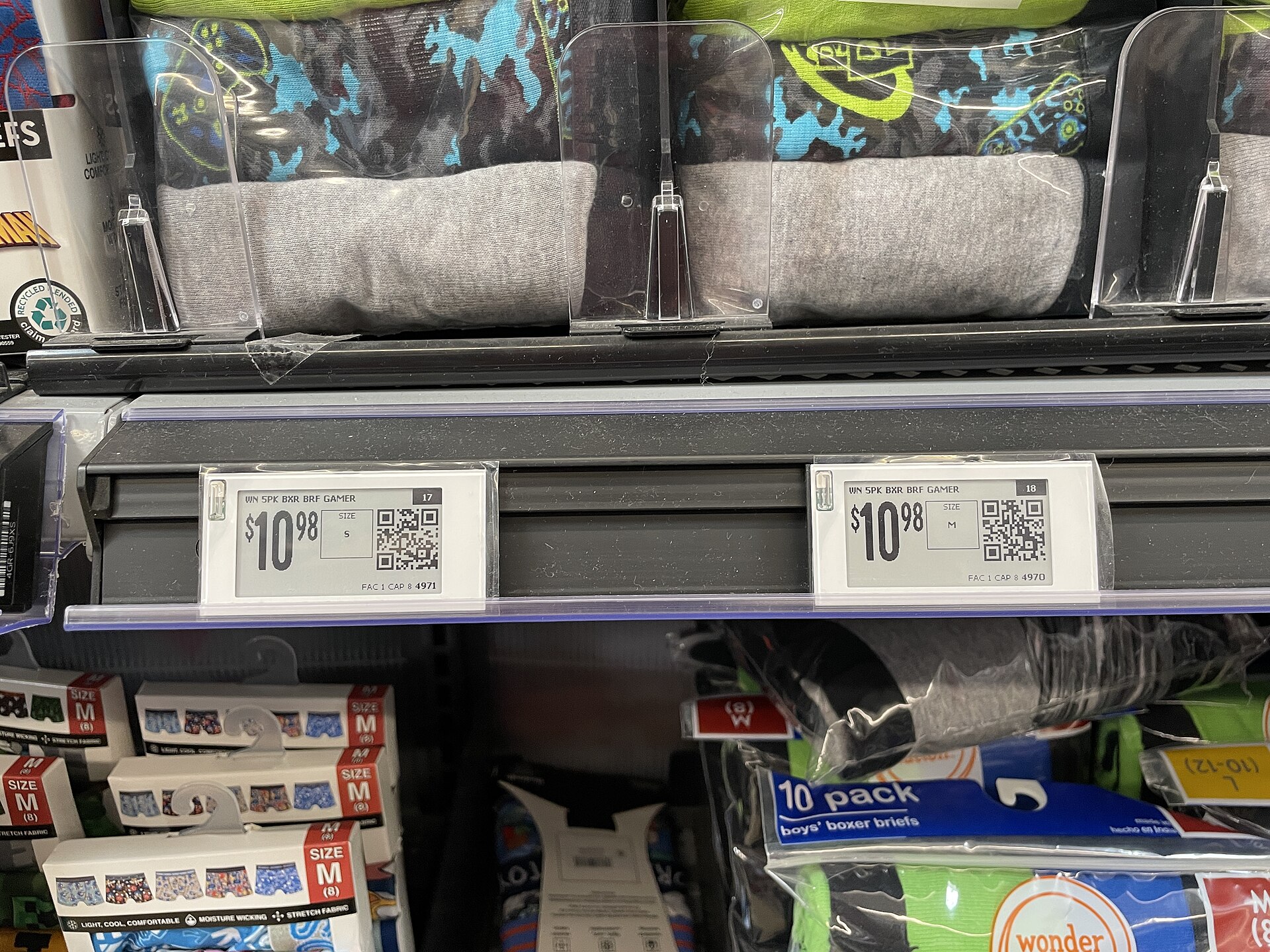
Consumer advocacy group Groundwork Collaborative has challenged Walmart over patents describing pricing technologies. In an Oct. 5 response, Walmart executive Dan Bartlett said patents describe potential capabilities and do not establish that the company has deployed them. He reiterated that Walmart would not use digital shelf labels for individualized or dynamic pricing.
Why prices still move
Prices do change at Walmart. The company lowers them when it can pass savings along and raises them when an item costs more to buy or transport, according to Furner's letter. Walmart said on its corporate pricing page that it operates on lower margins than many competitors to keep prices down.
External pressures are mounting. Gasoline prices are up nearly 40% compared to a year ago, according to AAA data cited by Retail Dive. Tariffs, transportation costs and broader supply chain pressures also affect what shoppers pay, according to the National Retail Federation.
Walmart planned to invest some of its nearly $3 billion in tariff refunds in price cuts, some analysts said, according to the Wall Street Journal. But a Deutsche Bank note cited by Business Insider said higher fuel costs could outweigh that benefit.
Consumer confidence fell to a 12-year low in September, Retail Dive reported. Navy Federal Credit Union Chief Economist Heather Long said broader retail sales are "starting to crack."
Kroger borrows the Walmart playbook
Walmart's low-price model is reshaping its biggest grocery rival. Greg Foran, who became Kroger's CEO in February, previously ran Walmart's U.S. business. He wants Kroger to move away from its traditional "high-low" pricing, which relies on temporary sales, and toward everyday low prices, the Wall Street Journal first reported Sept. 29.
Citi retail analyst Paul Lejuez estimated in a recent research note that Walmart prices are still 5% to 20% lower than Kroger's on average.
Kroger's annual profit fell 62% in 2025 from the prior year to $1.01 billion, according to the Journal. The grocer has cut hundreds of corporate jobs and closed dozens of underperforming stores. Business Insider reported Foran's turnaround is a $5 billion effort that includes significant workforce reductions over the next few years.
Walmart captured 20.3% of U.S. grocery sales in the most recent period measured, gaining 0.2 percentage points, Business Insider reported. Kroger's share fell by the same margin to 8.2%.
States crack down on surveillance pricing
The pricing debate extends beyond corporate promises. Three states, Maryland, Connecticut and New Jersey, have enacted laws banning what regulators call "surveillance pricing," which uses personal data to set individualized prices. New Jersey's law, signed July 23, carries penalties of up to $50,000 per violation, according to Holland & Knight.
More than 40 surveillance pricing bills are pending across more than two dozen states. The Federal Trade Commission has also proposed an enforcement policy targeting deceptive personalized pricing.
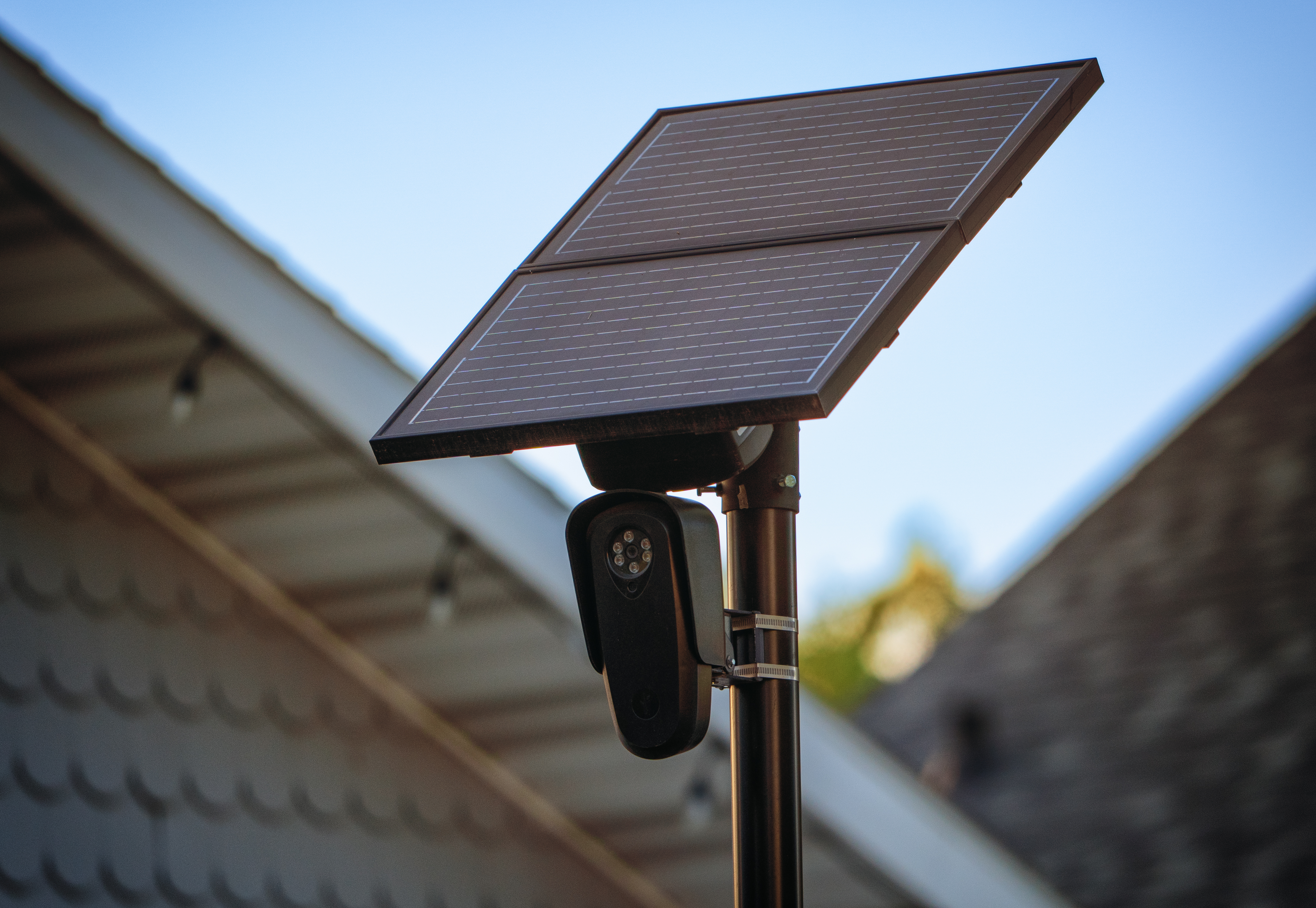
Walmart said on its affordability facts page that its digital shelf labels do not contain cameras or microphones, cannot identify customers and do not display different prices to different shoppers. Price updates generally happen outside regular shopping hours, the company said.