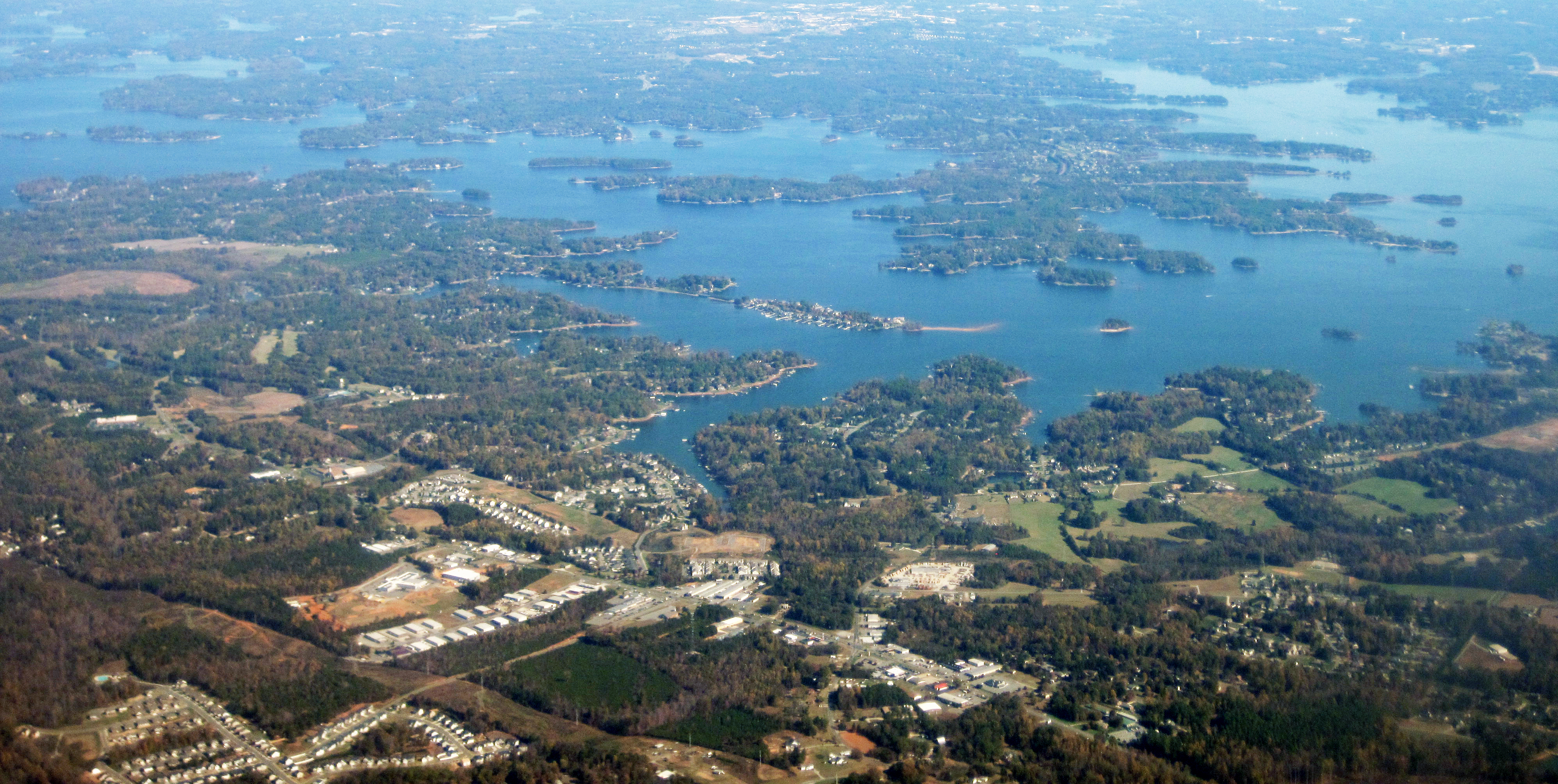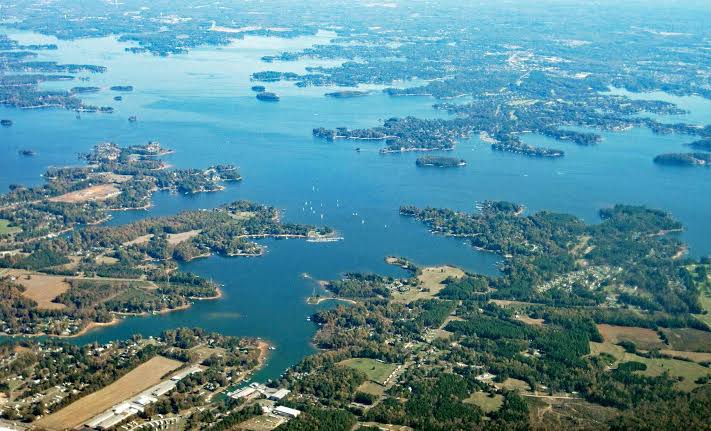
Lake Norman's water level has hovered around 95 feet for most of the summer of 2026, roughly 3.5 feet below its seasonal target, and Duke Energy's top water manager says recovery is nowhere close.
Brett Hartis, Duke Energy's water resources manager, told Cornelius Today the watershed's storage deficit stands at billions of gallons. He estimated it will take months of sustained, steady rainfall to bring the Catawba-Wateree system back to normal.
"The groundwater is bone dry, and we need a complete shift in the weather pattern and sustained periods of long rain," Hartis said. "Right now, any of these rain events are like pouring water over a dry sponge."
The prolonged low water compounds challenges for Lake Norman's marina operators, boat dealers and waterfront restaurants during peak season. Spectrum News reported in July that local boating businesses were navigating drought conditions on top of rising fuel costs, even as record heat drove more boaters onto the water.
Why the lake isn't bouncing back
The Catawba River watershed has trended toward drought since October 2024, following Hurricane Helene. Since then, roughly 70% of months have received less than half their normal rainfall, according to Duke Energy data.
Summer rain totals near the lake tell the story: about 5 inches in late May, 2 inches in June, 5 inches in July and 2 inches through Aug. 6. Most of that fell in fast-moving, localized storms rather than the widespread soaking rains the reservoirs need.
Because groundwater is so depleted, recent rainfall soaks into the ground instead of flowing into streams and reservoirs. Lake levels rise briefly after a storm, then drop back within days.
Stage 2 restrictions still in effect
Duke Energy declared Stage 2 of its Low Inflow Protocol on May 1, requiring mandatory conservation for major water users and calling on residents and businesses to reduce nonessential water use across the basin. The protocol aims to cut overall consumption by 5% to 10%, according to WBTV.
Under Stage 2, Duke Energy has also suspended recreational water releases downstream, cutting off flows used for rafting and kayaking below the dams.
Three indicators determine the drought stage: reservoir storage levels, stream flows measured over a six-month average and the three-month average of the U.S. Drought Monitor. Stream flows remain well below normal, making a move out of Stage 2 unlikely in the near term, Hartis said.
No tropical rescue on the horizon
The last prolonged drought in the region, from 2007 to 2009, reached Stage 3 restrictions before easing after a wetter-than-normal summer and tropical rain events during the active 2008 hurricane season. Forecasters are predicting a below-normal Atlantic hurricane season for 2026, reducing the odds of that kind of relief.
That matters locally. Lake Norman and Lake James are the two largest reservoirs in the 11-reservoir Catawba-Wateree system, which provides drinking water to more than two million people across 24 counties in the Carolinas. Mountain Island Lake, just downstream of Lake Norman, is the primary drinking water source for Charlotte and surrounding communities.
Hartis urged residents and businesses not to ease up on conservation through August and September. No specific date for Duke Energy to re-evaluate Stage 2 status has been announced.