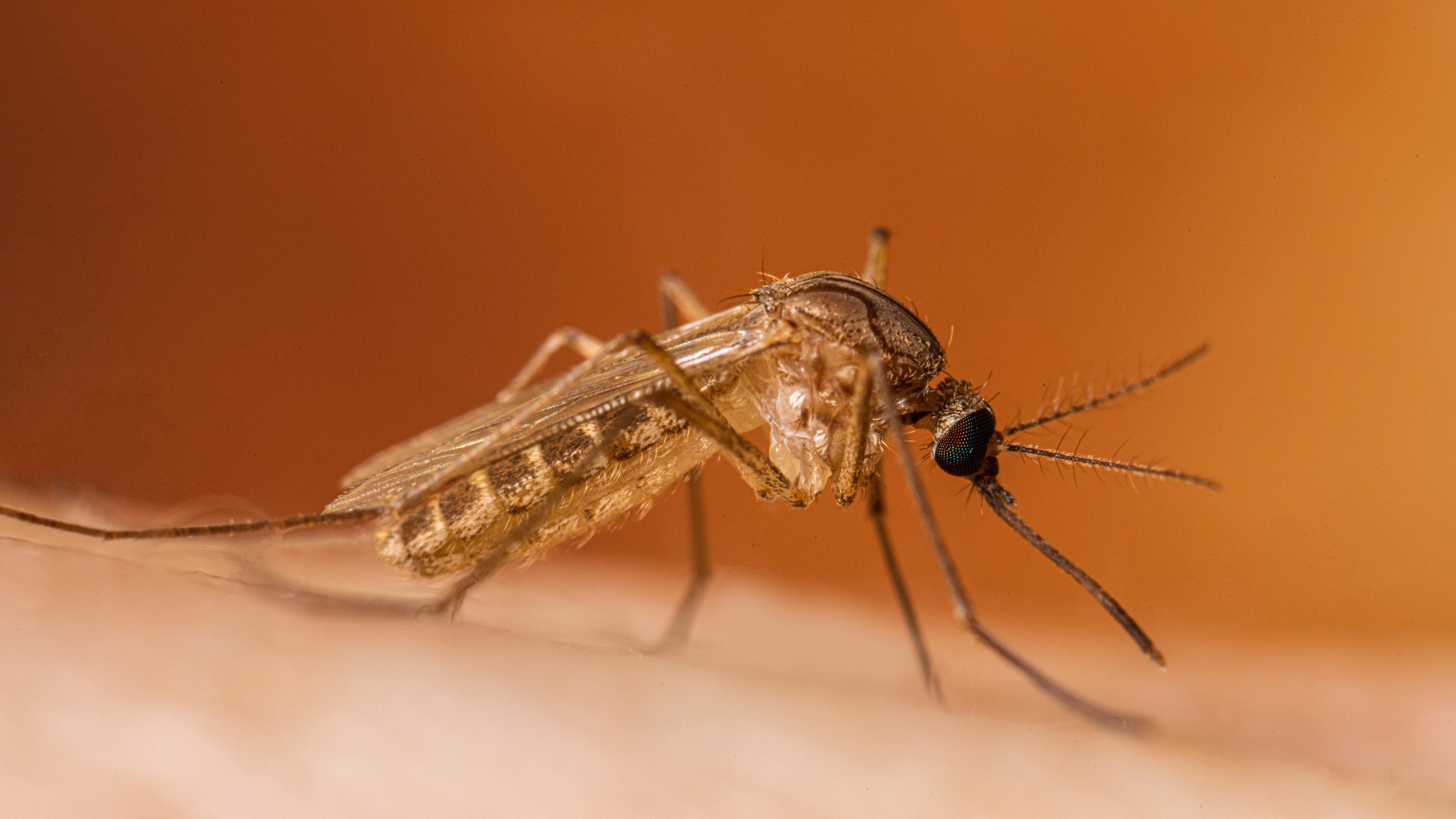
A blood donor in Mecklenburg County has tested positive for West Nile virus, and state health officials say the mosquitoes carrying the disease are already active in the county where Cornelius, Davidson and Huntersville sit.
The North Carolina Department of Health and Human Services confirmed the state's first human case of West Nile in 2026 in a Gaston County resident. A Mecklenburg County blood donor was also identified through routine screening, ABC11 reported. Neither person was publicly identified.
The cases follow an earlier warning from Mecklenburg County Public Health, which announced July 19 that a mosquito pool collected July 14 in the county had tested positive for West Nile at the NC State Laboratory of Public Health. At that time, no human cases had been identified.
State officials said the positive mosquito tests in the greater Charlotte area came earlier in the summer than usual, suggesting the virus is circulating sooner than in past years. The NC State Lab also found West Nile in mosquito samples from Cabarrus and Forsyth counties during July.
"This is the time of year when West Nile virus activity usually increases across our state," said Michael Doyle, NCDHHS public health entomologist. "These early indicators in the greater Charlotte area highlight the importance of preventing mosquito bites all over North Carolina."
What residents should know
West Nile virus spreads only through infected mosquito bites. It does not pass from person to person.
About 80% of people infected develop no symptoms. Roughly 20% may experience fever, headache, body aches, joint pain, vomiting, diarrhea or rash. Older adults and people with weakened immune systems face the highest risk of severe illness.
Doyle said severe cases can involve sudden onset of fever, stiff neck, muscle tremors or loss of balance, signs the virus has reached the nervous system. He noted that roughly one in 100 to 150 infected people will develop a serious case.
There is no vaccine or specific treatment for West Nile. Doyle urged anyone who develops symptoms after a mosquito bite to contact a doctor immediately.
The CDC notes most West Nile infections occur in late August through early September.
How to reduce risk
Mecklenburg County Public Health recommends residents take these steps:
- Use EPA-registered mosquito repellent
- Empty standing water from flowerpots, gutters, buckets, pool covers, pet dishes, discarded tires and birdbaths at least once a week
- Install or repair window and door screens
- Wear long sleeves and pants at dusk and dawn, when mosquitoes that carry West Nile are most active
The county's mosquito control program conducts surveillance and investigates complaints. Residents can report standing water or mosquito concerns by calling Environmental Health's hotline at 980-314-1620.