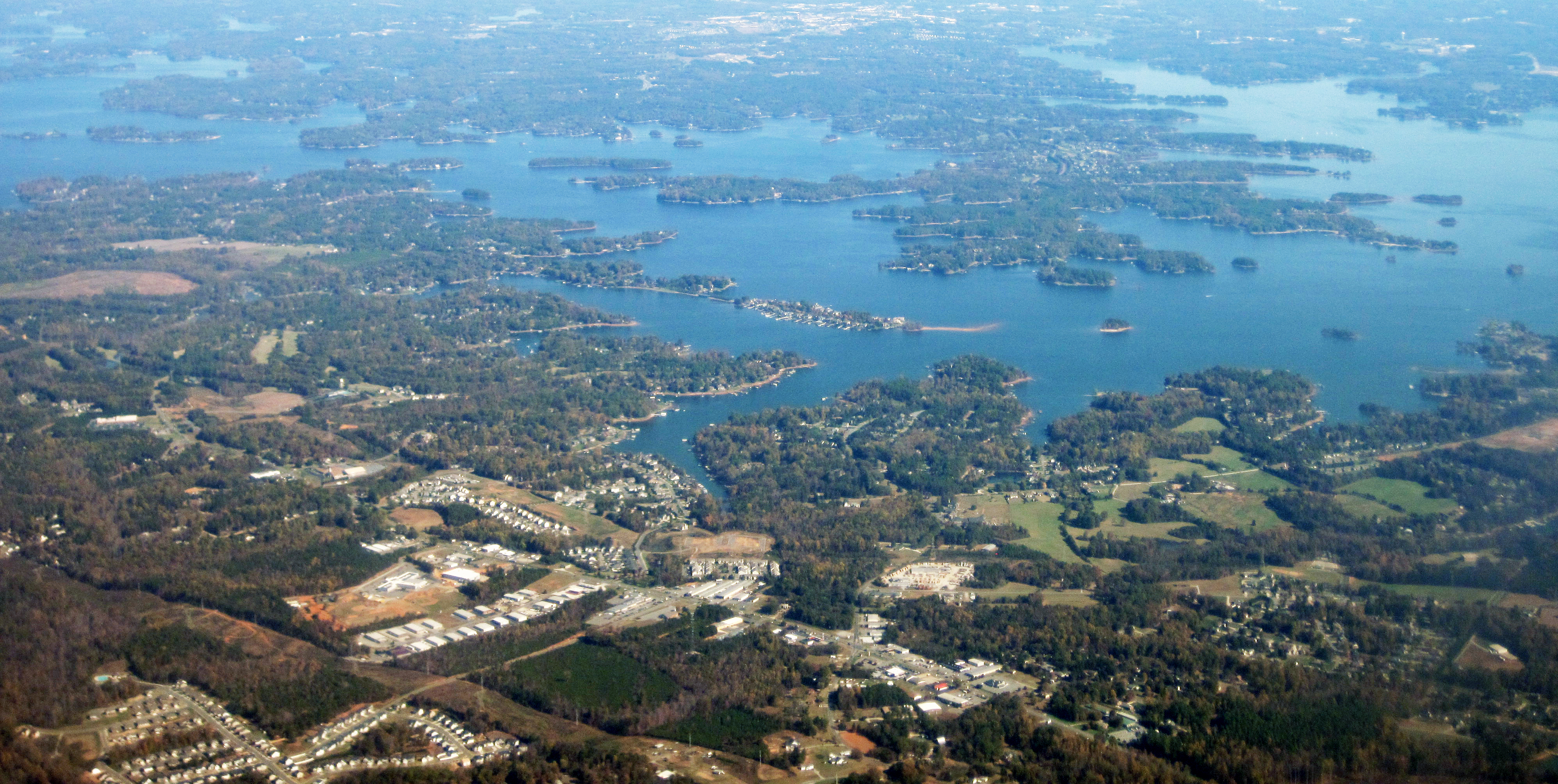
Huntersville, Cornelius and Davidson have officially exited "historic drought" conditions, according to the latest U.S. Drought Monitor data released Aug. 6.
The western third of Mecklenburg County, stretching from Lake Wylie north to the Iredell County line, is now classified as "abnormally dry" rather than in drought. The improvement came after a pair of stormy cold fronts brought inches of rain to the region, according to the Charlotte Observer.
The reclassification is welcome news for Lake Norman residents who have watched water levels drop and faced mandatory restrictions since May. But it does not mean the crisis is over.
Restrictions stay in place
Charlotte Water's Stage 2 mandatory water restrictions, which took effect May 15 as the first mandatory cuts since 2009, remain in effect with no announced end date.
Under Stage 2 rules, according to Charlotte Water's published restrictions, customers may irrigate no more than two days per week, only between 6 p.m. and 6 a.m. Odd-numbered addresses water on Tuesdays and Saturdays; even-numbered addresses water on Wednesdays and Sundays. A 10 a.m.–6 p.m. watering blackout applies daily. Fines start at $100.
Charlotte Water Director Angela Charles said in a July 6 statement that residents should continue conserving: "Every gallon saved helps protect our water resources while drought conditions persist."
Lake Norman still below target
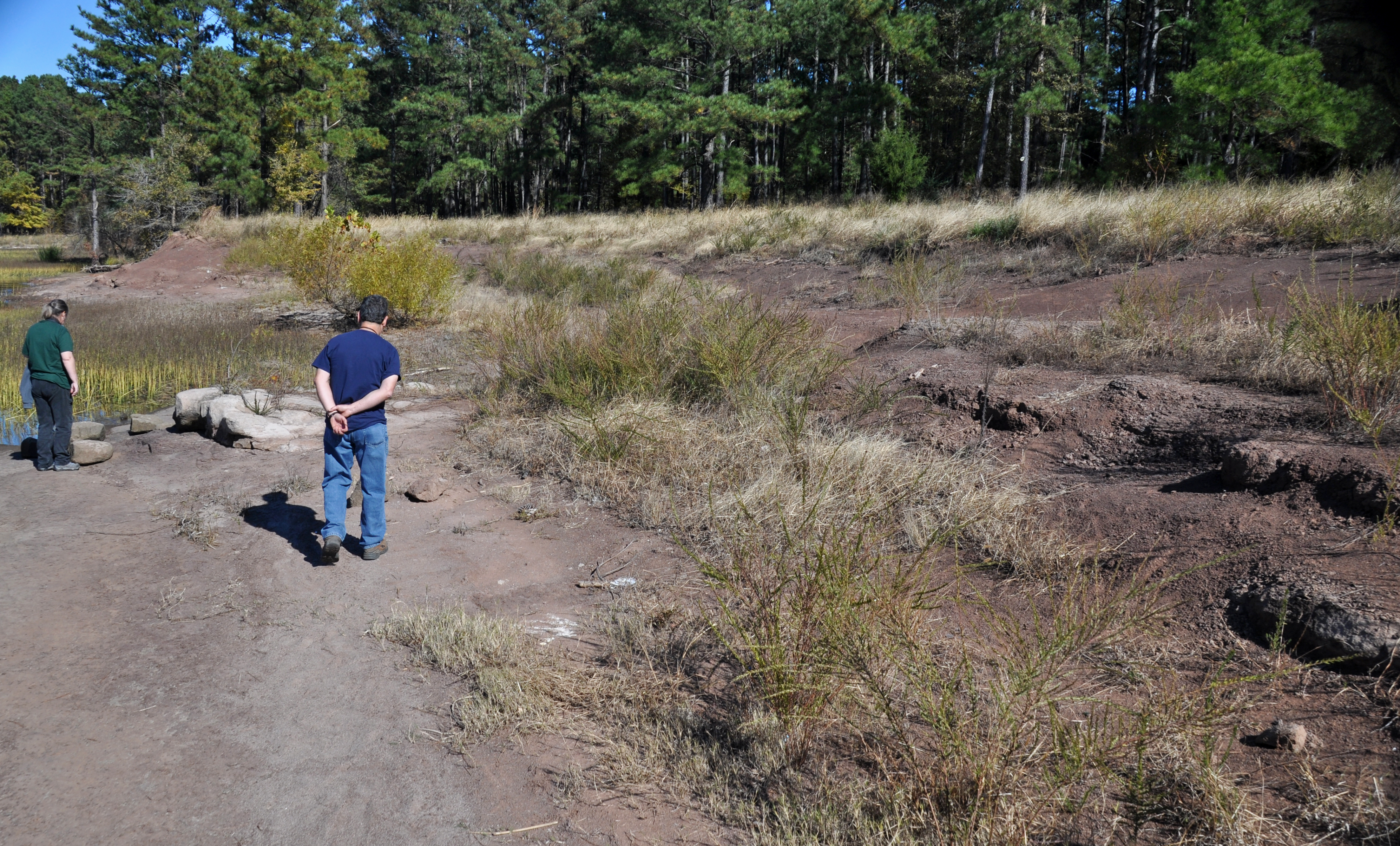
Lake Norman and Lake Wylie remain below their target elevations despite the recent rainfall, according to the N.C. Department of Environmental Quality. Ramsey Creek Beach in Cornelius closed for the rest of summer because the lake is too low.
"Groundwater and reservoir levels have been slower to recover," Klaus Albertin, chair of the N.C. Drought Management Advisory Council, said in the Aug. 6 DEQ release. "It's only the beginning of August so we expect higher temperatures and increased water demand for at least another month."
What changed, what didn't
The drought map released Aug. 6 reflects conditions from July 28 through Aug. 4. While the western third of the county improved, the eastern two-thirds of Mecklenburg County remains under "moderate drought" conditions.
NOAA data shows 2026 is the sixth-driest year in the past 132 years, with a rainfall deficit of 7.77 inches from January through June. The region fell about 13 inches behind on rainfall before the Catawba-Wateree Drought Management Advisory Group moved the entire basin to Stage 2 restrictions on May 1.
What's ahead
The next U.S. Drought Monitor update is expected the week of Aug. 13. Charlotte Water customers can check their watering schedule and report violations at charlottewater.org.